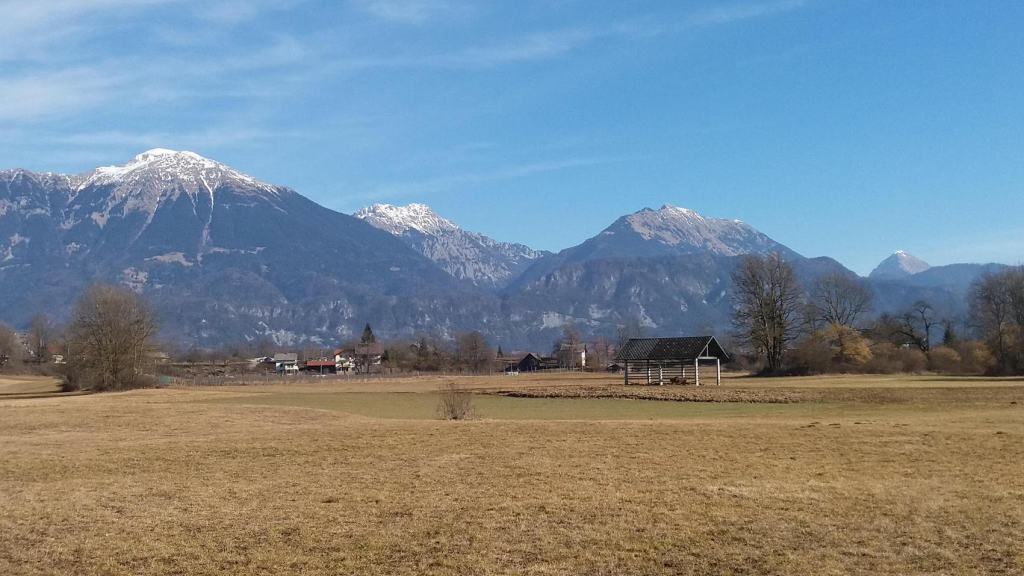
We’re staying in the Hotel Ribno in Slovenia, which is famous as the country’s first — and so far only — zero waste hotel. It’s not just situated in a stunning alpine location a couple of miles from the lakeside resort of Bled, they have also invested into making the stay there as eco friendly as possible.
That’s important as the hospitality industry — and travel in general — is notoriously polluting. From air travel emissions, to the massive amount of laundry done by hotels to wasted food at buffets, there’s lots to worry about. That’s why a growing number of people are aiming for eco-friendly travel.
Some of the steps the Hotel Ribno has taken are separate waste collection, using reusable products and utensils, using natural materials, working with local suppliers and communicating with guests about eco-friendly travel and how they can contribute too.
Our stay at the hotel inspired me to research how to make travel more sustainable — my tips for eco-friendly travel are listed below along with an honest assessment of how well we did on our own trip.

1. Don’t fly (or at least, fly less)
We did fly to Slovenia, as I couldn’t compute taking a four-year-old from Scotland to Southeast Europe overland, not to mention not having nearly enough holiday allowance. (Pre motherhood I used to take epic bus journeys; that’s no longer an option.)
We did keep our air transport down by flying direct from Glasgow to Venice then doing the rest of the journey by public transport, rather than transiting and taking two flights.
2. If you do fly, offset your emissions
We did this when booking our flights. However, there are some problems with offsetting carbon, which are worth looking into.
3. Travel light
Less weight, less emissions. I used to use my full 20kg (or more) baggage allowance. Now the two of us travel with a single carryon. It’s cheaper, more eco friendly and far less stressful.
4. Take public transport
We took a train from Venice to Koper, our first destination in Slovenia, then train and bus from Koper via Ljubljana to Bled.
5. Support an eco hotel
Check.
5. Eat and drink local
Eat at local restaurants rather than international chains. Buy locally grown food at shops and markets.
Luckily for us, Slovenia has some marvellous local produce. We ate out at Avokado, a vegan cafe in Koper, where there is also the outdoor market on Pristaniška ulica.
We drank mostly tap water, which is very safe in Slovenia (of course it’s not everywhere). But I have to admit my guilty pleasure is coffee which is clearly not local.

6. Buy domestically made souvenirs
That way you can support local craftspeople and reduce cargo emissions.
Total fail for us here. The only things we’ve bought on this trip are some toys for my daughter and a pair of loose trousers after she got chicken pox. All from China, it turned out. I haven’t bought anything for myself at all.
7. Don’t use single-use mini-toiletry bottles
The Hotel Ribno has refillable wall-attached dispensers for soap, body wash and shampoo, so we are all set here.
For the rest of the trip, I packed reusable mini bottles of shampoo, conditioner, moisturiser and so on.
I have a set that I use for every trip. I just have to make sure they’re labelled properly after I once conditioned my hair with sun lotion!
8. Don’t buy plastic water bottles
We brought my daughter’s school flask (emptied out for the flight), while I bought a single bottle of water after checkin then reused it for the whole trip.
9. Don’t accept reusable cutlery
I bought two old sets of reusable plastic cutlery with us (I wash and reuse them) as I knew we would have some picnic meals and eat in our hotel room sometimes. Metal is nicer, but not allowed in hand luggage.
I did cave to pressure from my daughter and buy a set of Frozen paper plates though!
10. Don’t over-use water or energy
Have showers rather than baths, turn off the heating (something I pretty much always do in hotel rooms anyway) or the air conditioning in summer.
11. Recycle
This was easy at the Hotel Ribno as they have handily placed recycling bins placed throughout the hotel.
At other places it can be more difficult — when we’re staying in an apartment I always try to remember to ask where to dispose of waste and if there are recycling facilities.
Readers — was this list helpful? What are your tips for being more eco friendly when travelling?
 Steppe in Style
Leave a comment