Busteni is one of several small mountain towns lying on the stretch of railway line between Pitesti and Brasov, where the line from Bucharest to Transylvania climbs steeply up across the edge of the Carpathian mountains.
Getting there is an easy journey of a couple of hours, and one we often made at weekends (finances permitting) to get out of the intense heat of Bucharest in the summer. Typically temperatures at up to 10C lower up in the mountains, which is very welcome when they reach the mid to high 30s for weeks on end in July and August.
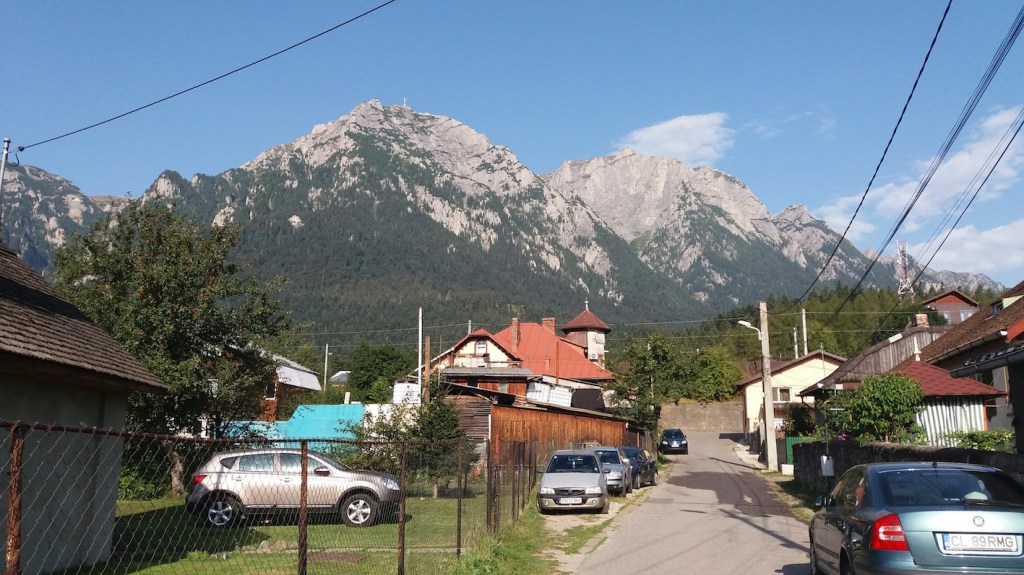
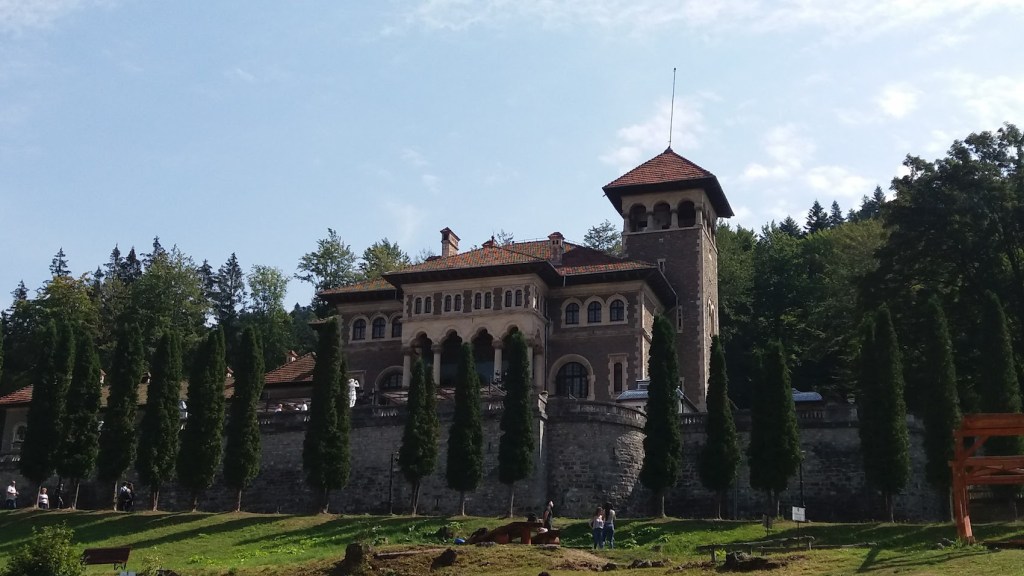
Busteni is popular in winter as a ski resort, but it’s also home to the Cantacuzino Castle perched on a hill just across the valley from the main part of the town.
Set among the mountains and surrounded by lush green forests, Busteni – like nearby Sinaia or Prahova – is an easy place to visit, with both rustic charm and plenty of hotels, guesthouses and cafes.
Busteni was first mentioned in written documents in 1490. It was originally a small village composed mainly of shepherds and farmers living in the nearby mountains.

During the 19th century, it became a popular tourist destination after King Carol I declared it a Royal Resort Town in 1894. Since then, it has been frequented by many famous visitors such as Queen Marie of Romania, Prince Ferdinand I of Romania and writer Ion Creanga.
One of the most popular attractions in Busteni is the Heroes’ Cross, a memorial to commemorate those who died fighting in World War I. This monument stands atop Caraiman Peak. Apparently there are amazing views from up there – but it wasn’t a climb I wanted to attempt with a pushchair.
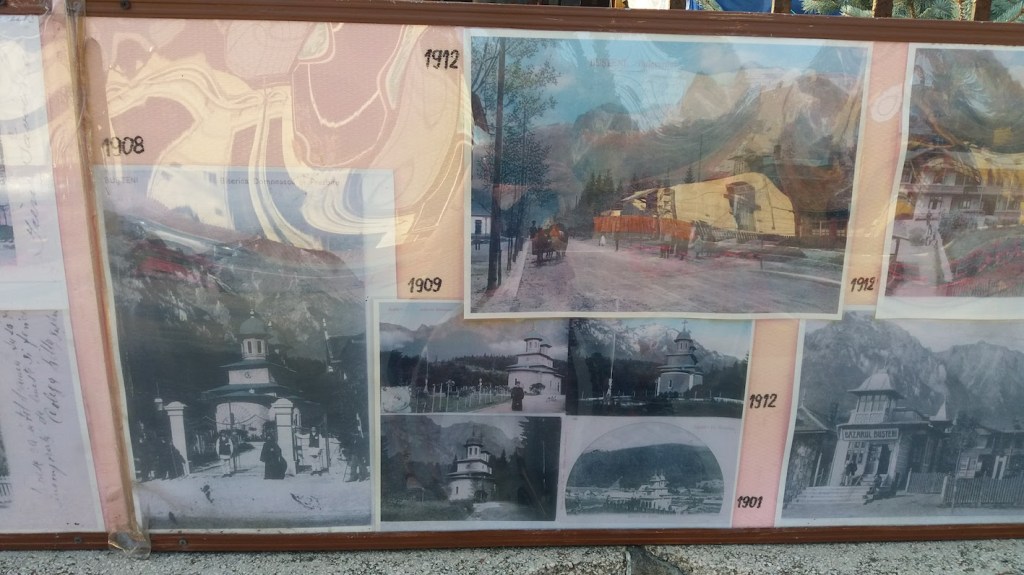
Instead, we spent the Saturday pottering about the town, sampling a few of the cafes, and relaxing in our guesthouse’s garden, which had a play area for children.
On the Sunday we set off early top talk up to the castle, which was built on the site of an old hunting lodge. Prince Gheorghe Grigore Cantacuzino, a wealthy former prime minister, commissioned it at the start of the last century, and it was completed in 1911.
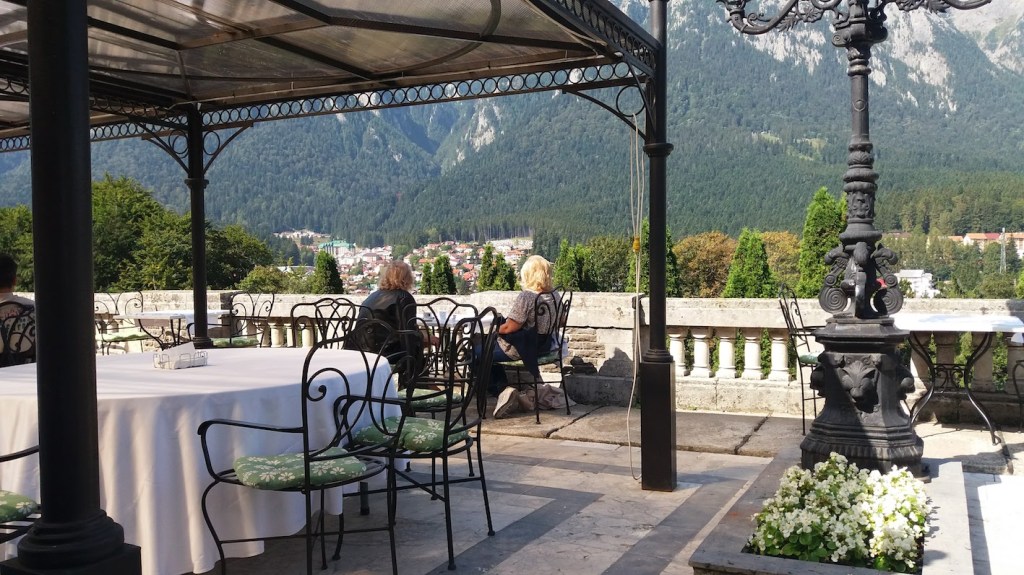
It’s not only in a beautiful and peaceful spot — one of the highlights of our visit was having a drink on the outdoor terrace with its stunning view of the countryside — it also had what at the time were the latest mod cons: electricity, running water and a sewage system.
The Cantacuzinos had it as their summer residence for a couple of decades. Then came the Second World War and the start of communism in Romania, when the castle was nationalised.
 Steppe in Style
Leave a comment