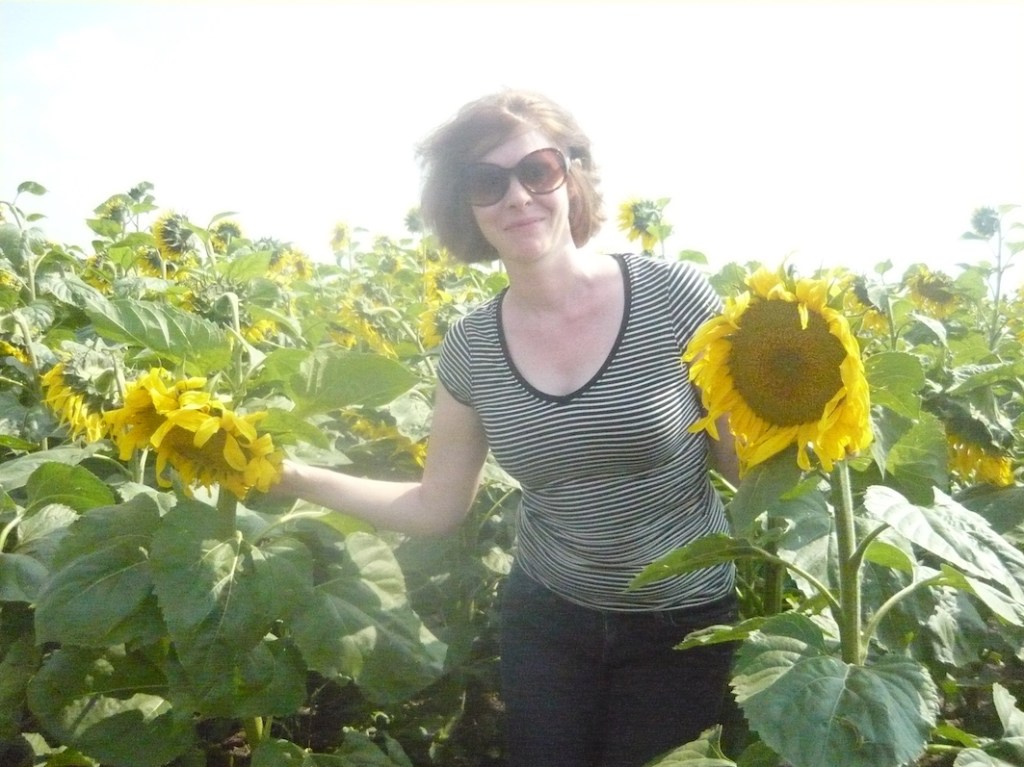
Ever since I moved to Astana, I’d found myself writing more about agriculture, as the city is in the heart of Kazakhstan’s grain belt.
In fact Astana was previously called Tselinograd after the disastrous Virgin Lands campaign in the 1950s, when large parts of north Kazakhstan and other previously uncultivated land was turned over to grain production.
While there was an initial increase in production, many of the virgin lands, including the relatively dry Kazakh steppe, were just not very suitable for grain monoculture. The campaign also suffered from a lack of equipment and skilled farmers.
Still, today Kazakhstan is a major grain producer, and while harvests tend to fluctuate due to droughts every few years, production has been increasing as more money is invested into modern machinery and other inputs.
Bus to the grain belt
So when the UNDP invited me on a trip to an experimental farm north of Astana, deep in Kazakhstan’s grain belt, I was keen to go and see the vast grain fields of north Kazakhstan.
On the minibus, I got chatting to an American consultant, who told me that farmers still need better infrastructure, modern seed varieties, fertilisers and reliable forecasting to improve their productivity.
He was seated diagonally behind me. Talking to him as I scribbled notes was difficult, and I wasn’t sure if I’d be able to decipher my notes later. Then his attention was claimed by a Kazakh agronomist also in the party and I was able to look out the window at the flat, featureless landscape.
To someone from a small country, the size of Kazakhstan’s grain belt can hard to compute. Most of Kazakhstan’s grain is grown in three regions — the Akmola region around Astana, plus Kostanai and North Kazakhstan — which have a combined area of 440,000 square kilometres, around twice the size of Great Britain.
The Shortandy research institute
After driving north through the grain fields for about an hour we came to Shortandy, a small village of little wooden houses overgrown with greenery.
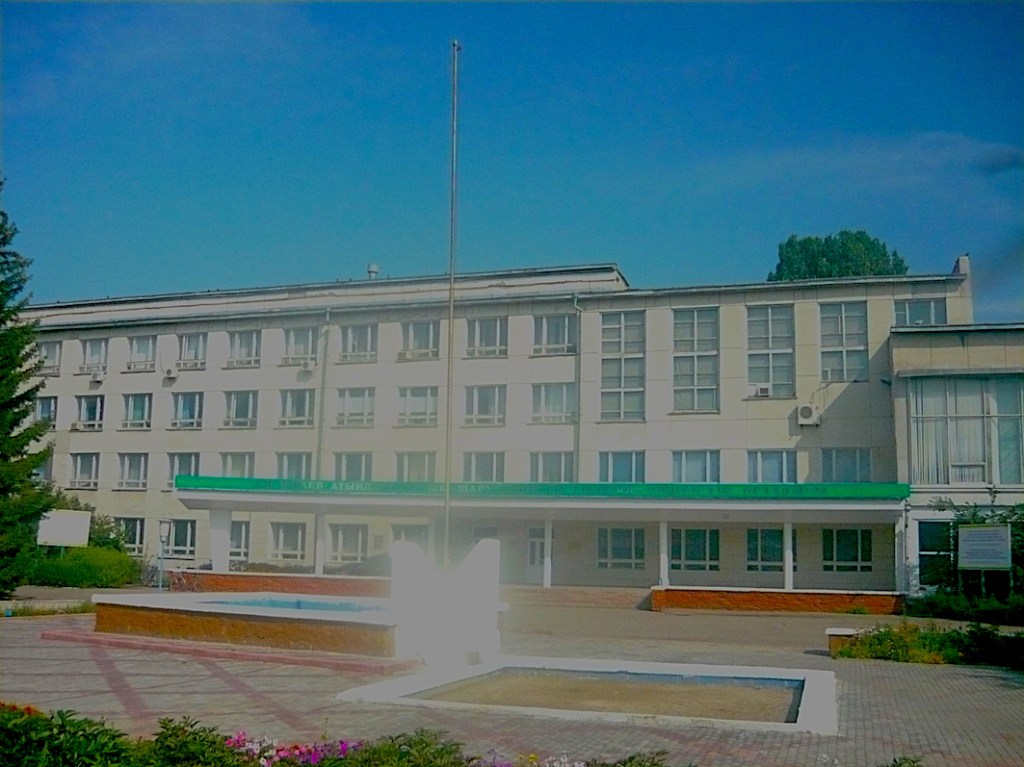
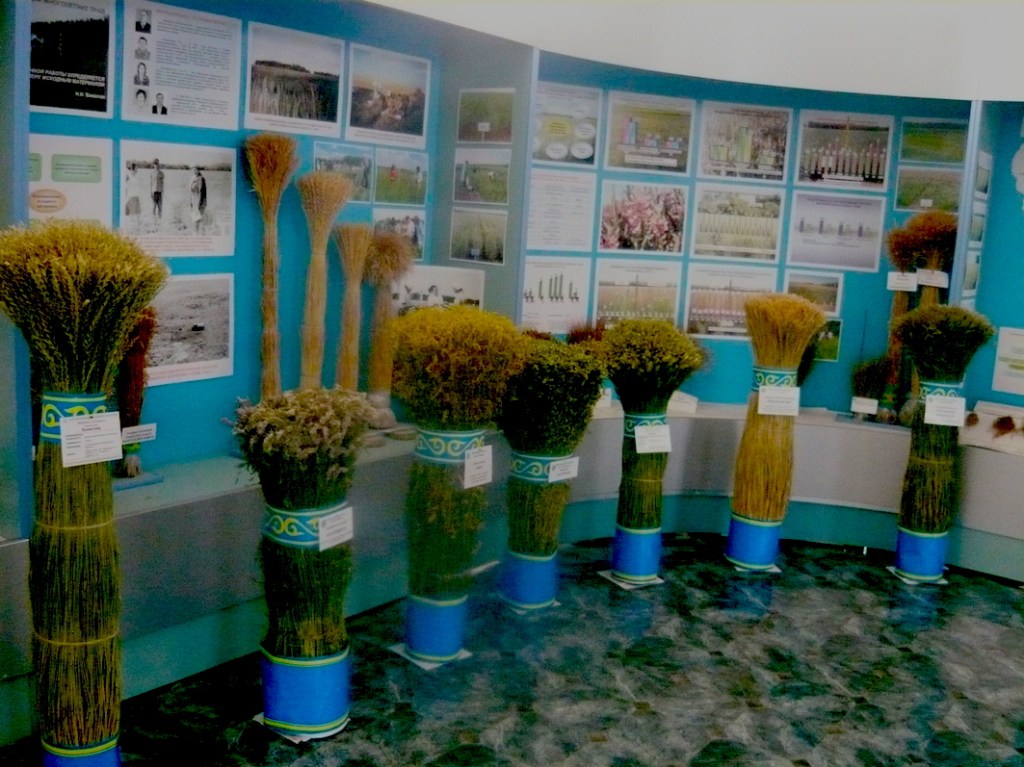
The grain research institute was in a 1950s building, which also housed a small museum. Its blue painted walls showcased sheafs of different kinds of grain, happy communist harvesters and new machinery.
Experts from Kazakhstan and abroad gave a series of presentations about the issues faced by the sector, talking about the record 2011 harvest when elevators ran out of space and wheat was left to rot.
After the presentations, we explored the greenhouses next to the museum. I chatted to Irina, an ethnic Russian farmer from the far north of Kazakhstan, whose ruddy weathered face was testament to a life spent in the harsh weather of the northern steppes. She told me she was trying to diversify and introduce new crops like chickpeas, sunflowers and rapeseed.
Out in the fields
The next part of the programme was a trip out to the fields in an ancient bus with huge wheels and a curved bonnet. Inside, we bounced around on the overstuffed seats, holding onto the bars to stop ourselves from flying onto the floor as we jolted over the unpaved track between the fields.
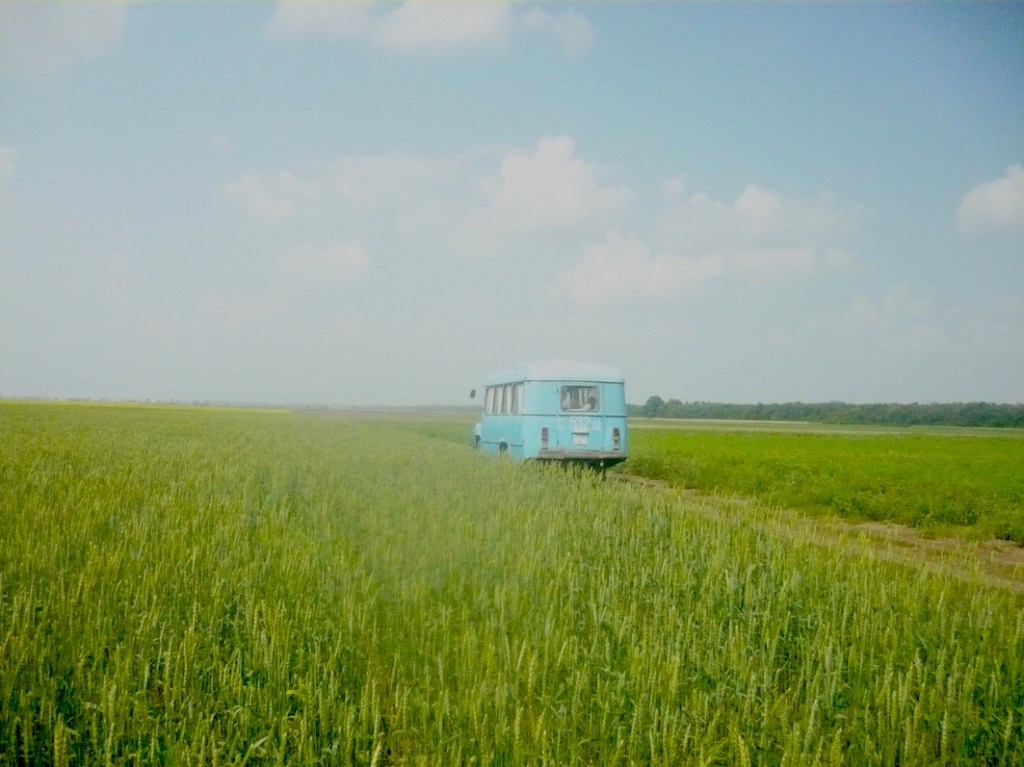
Several of the local delegates, amused by the elderly bus, insisted on posing for selfies with the foreigners.
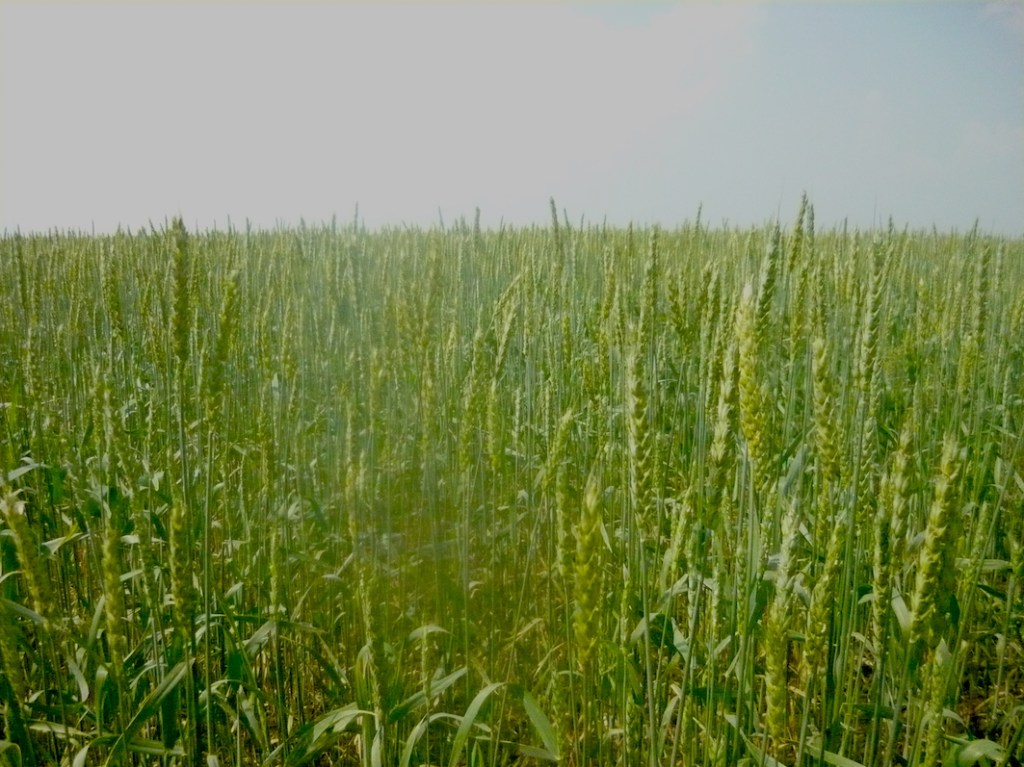
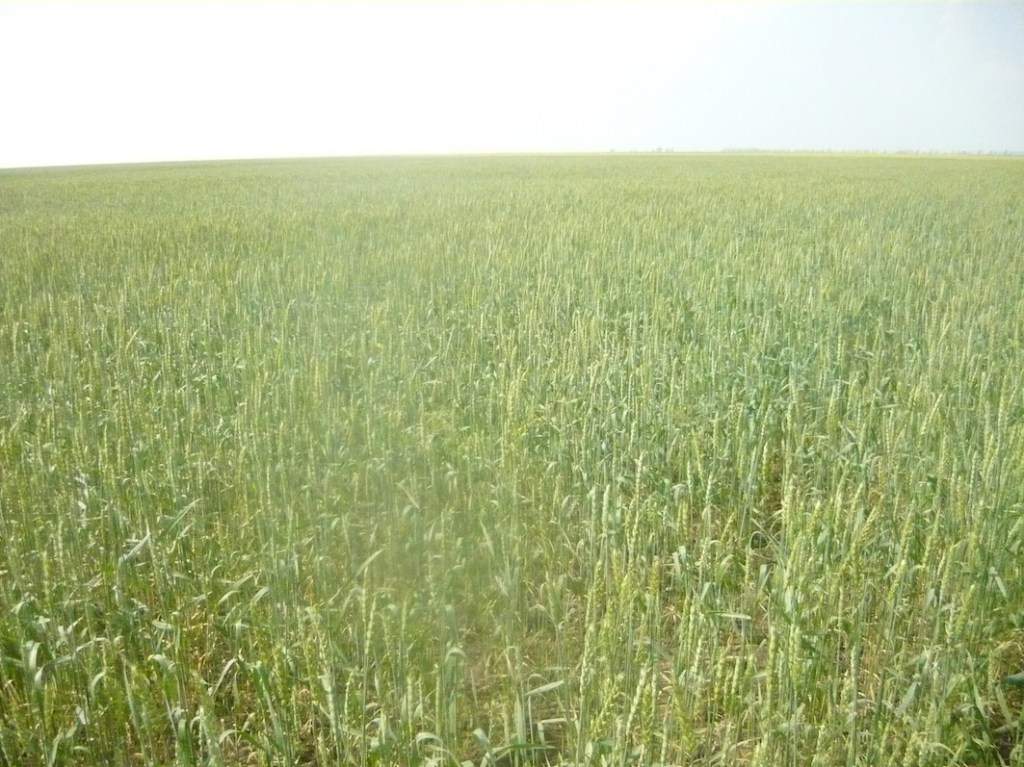
When the bus stopped we were deposited among a sea of nodding, whispering grain that stretched out in all directions until it met the hazy blue of the horizon.
 Steppe in Style
Leave a comment