I’m the second passenger on the minibus from Dushanbe to Hissar, which means I get my choice of seat, but the downside is there could be a long wait until it fills up and we can finally leave.
For the driver — who’s wearing a traditional felt hat and colourful coat — and one lady passenger, this foreigner is the source of entertainment while we wait.
“Un, deux, trois. Is that English?” asks the driver.
“No, French. English is one, two, three,” corrects the lady.
“I learned English and French.”
Minibuses or marshrutkas don’t run to a timetable, they just leave when they’re full.
Minibus pop quiz
As the more people get on the driver quizzes the passengers to entertain them as we wait for the bus to fill up.
As the more people get on he quizzes the passengers to entertain them as we wait for the bus to fill up.
No one can. (Well, actually I can, but I don’t want to be the show-offy traveller from the far abroad telling Central Asians about their own region.)
“Frunze!” says the driver.
It’s short drive to Hissar, about 15km away from Dushanbe. When we get there, he sends one of the other passengers to help me get a taxi to the fort. They ply the route regularly and charge one somoni per seat.
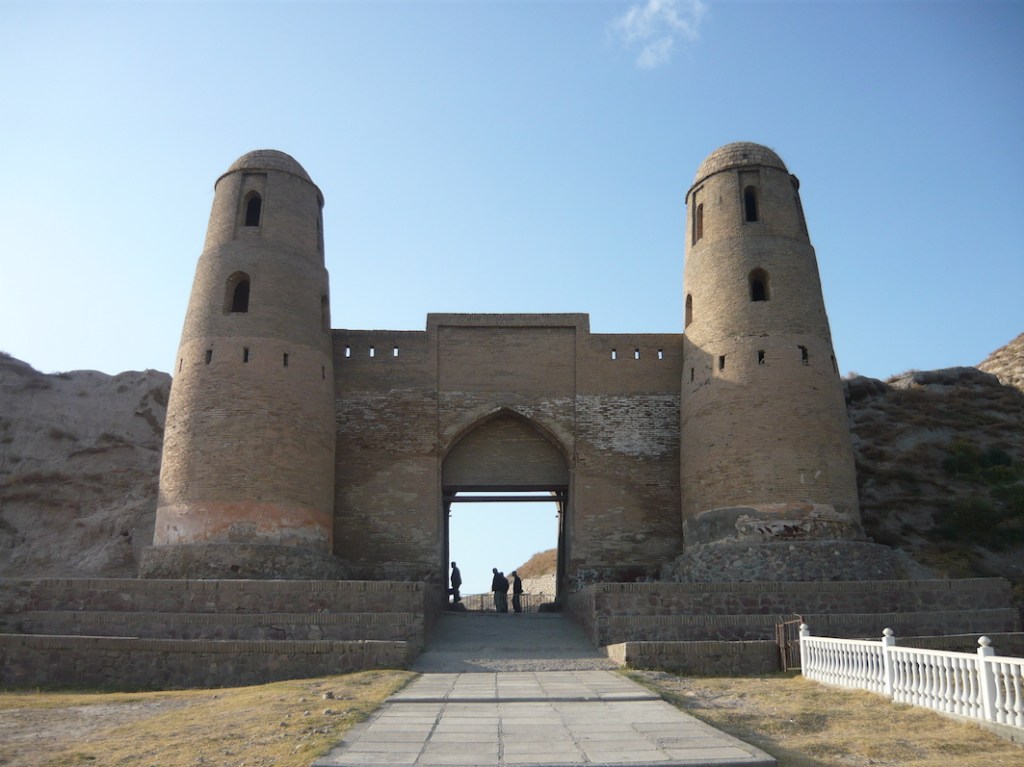
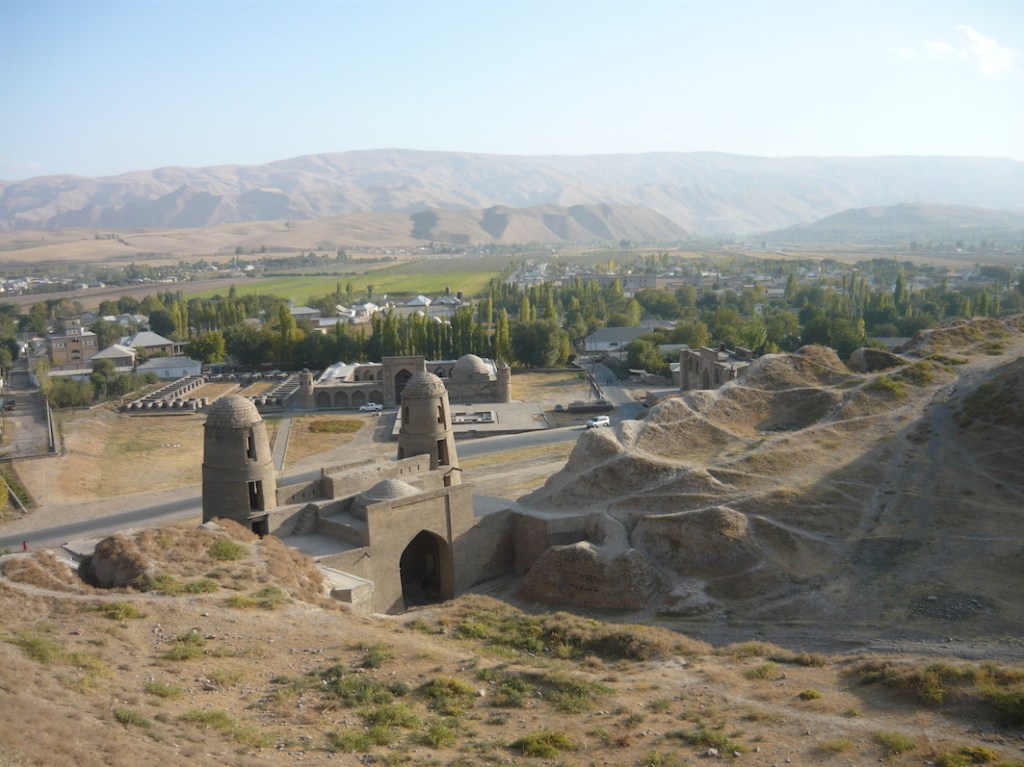
When I looked up Hissar at the internet cafe earlier, Wikipedia said it’s a must for anyone interested in military history — which I’m not — but it’s a beautiful, peaceful place and I’m glad I came.
Captured 21 times
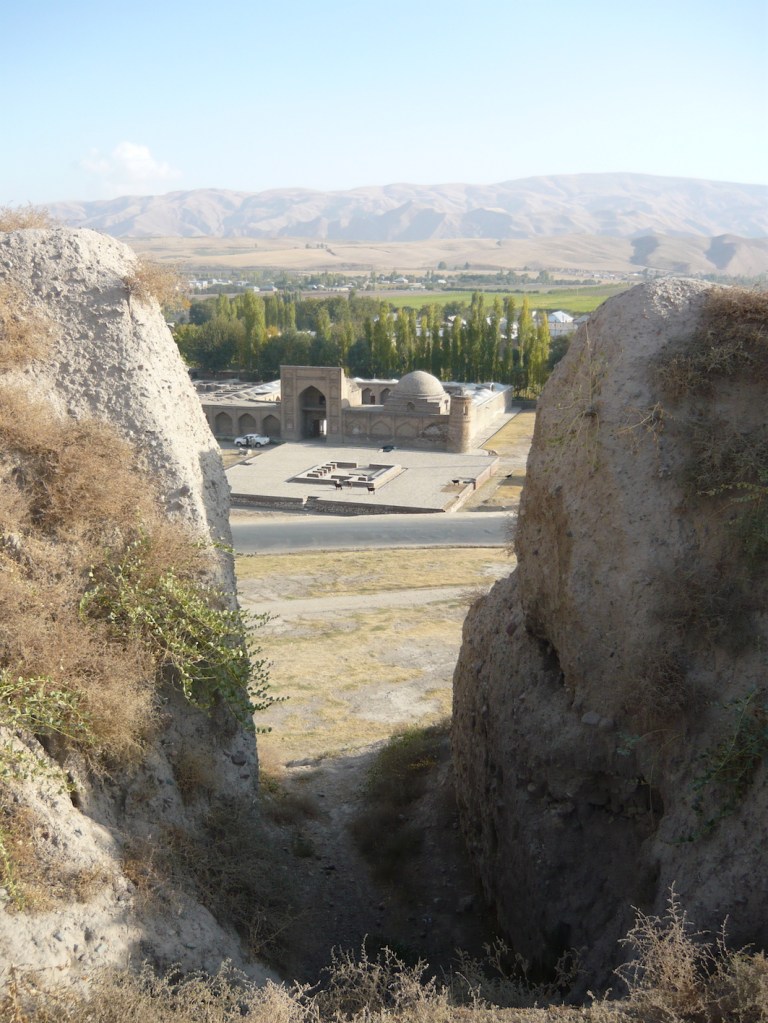
The reconstructed fortress is on a hill overlooking the Hissar Valley, which is a fertile area that has been settled for centuries. Hissar was once the centre of its own khanate until it was conquered by the Bukhara khanate.
People have lived at the site of the fortress since the Stone Age, and the fortress has been captured 21 times and been destroyed and rebuilt many times too.
On a Wednesday afternoon in mid-autumn, I’m the only vistor except for some local youths hanging out and a few cows grazing on the ancient earthy mounds of the fortress.
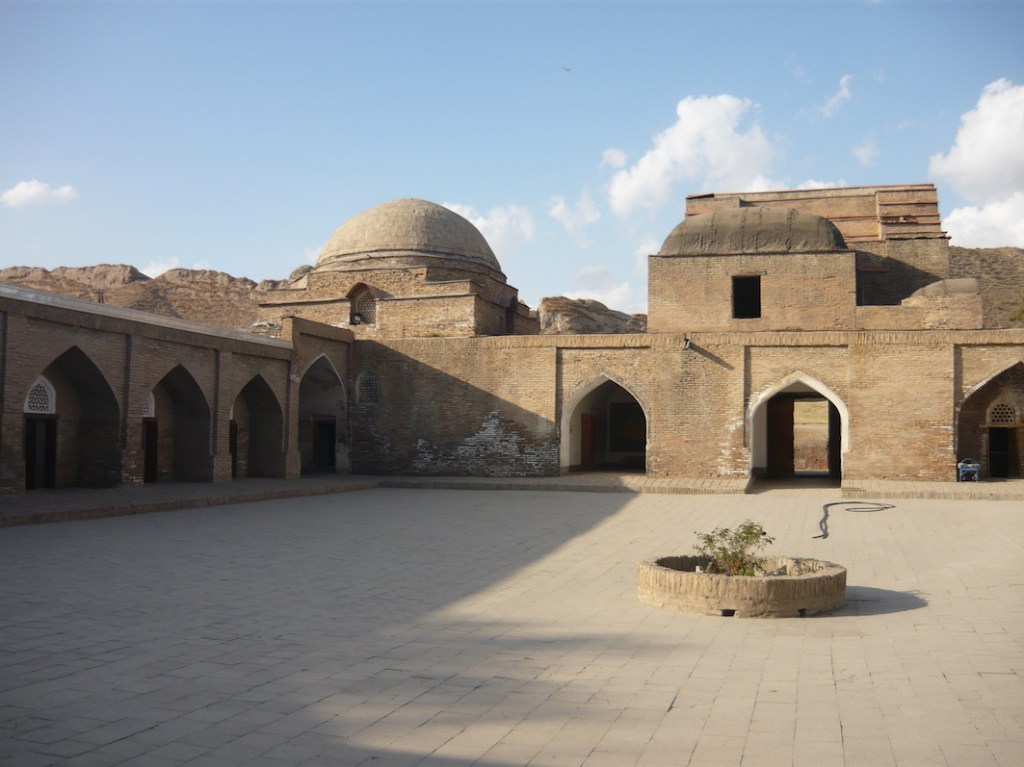
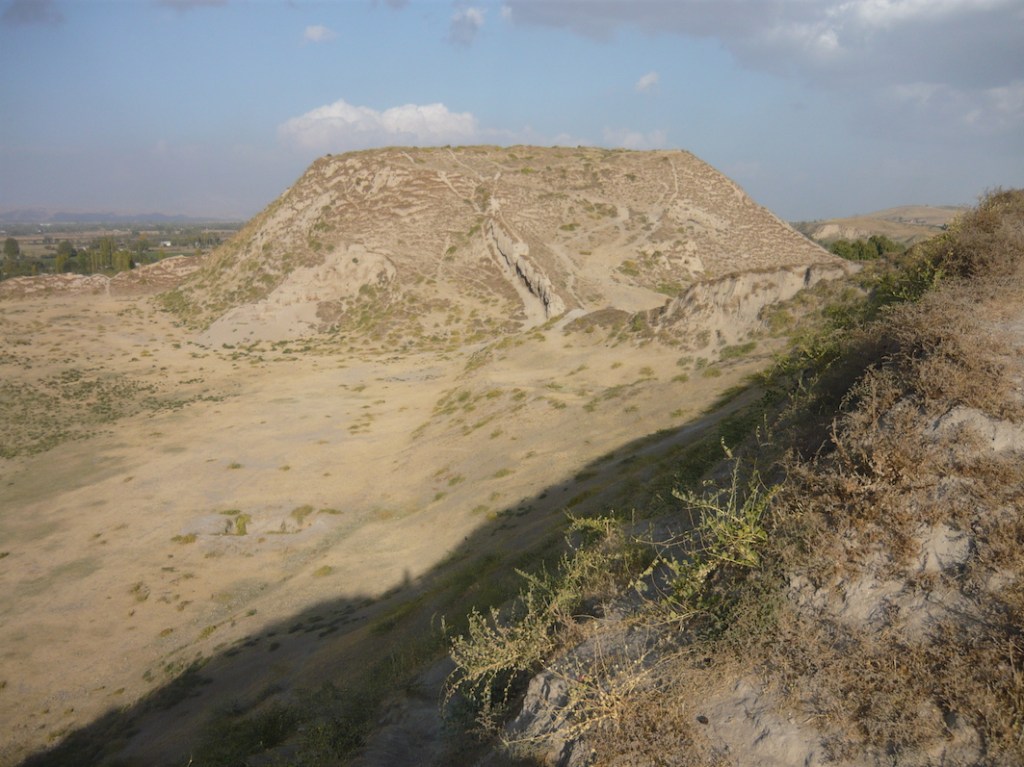
Inside the fort is a collection of artefacts, plus the obligatory room with a Great Patriotic War exhibition.
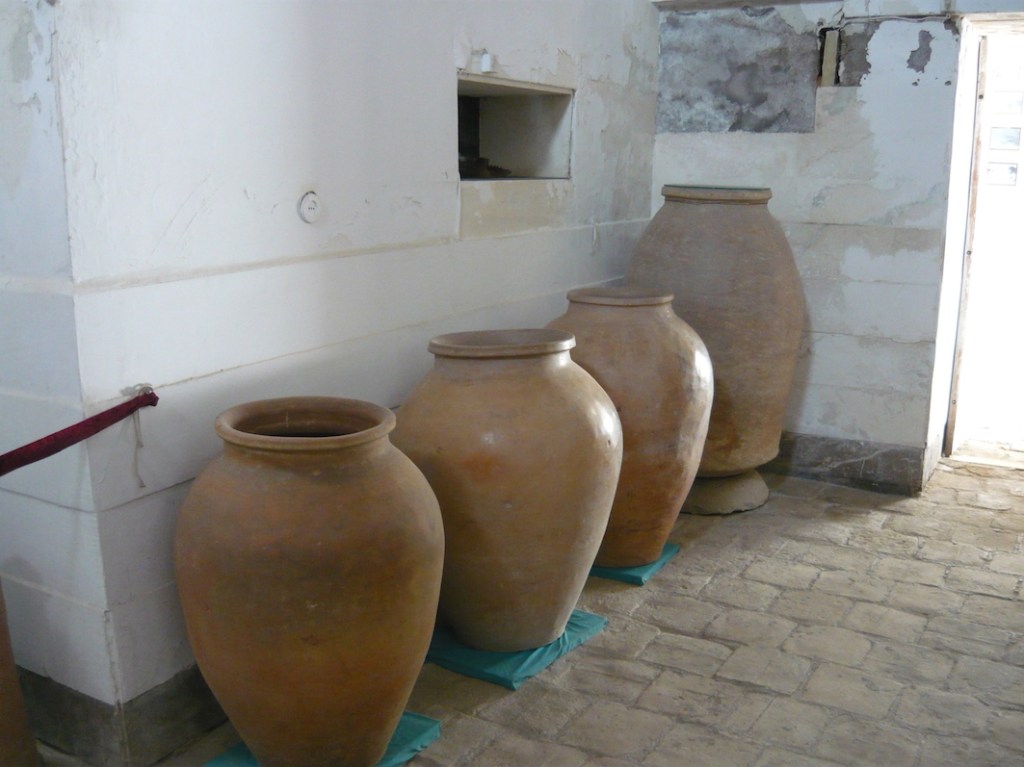
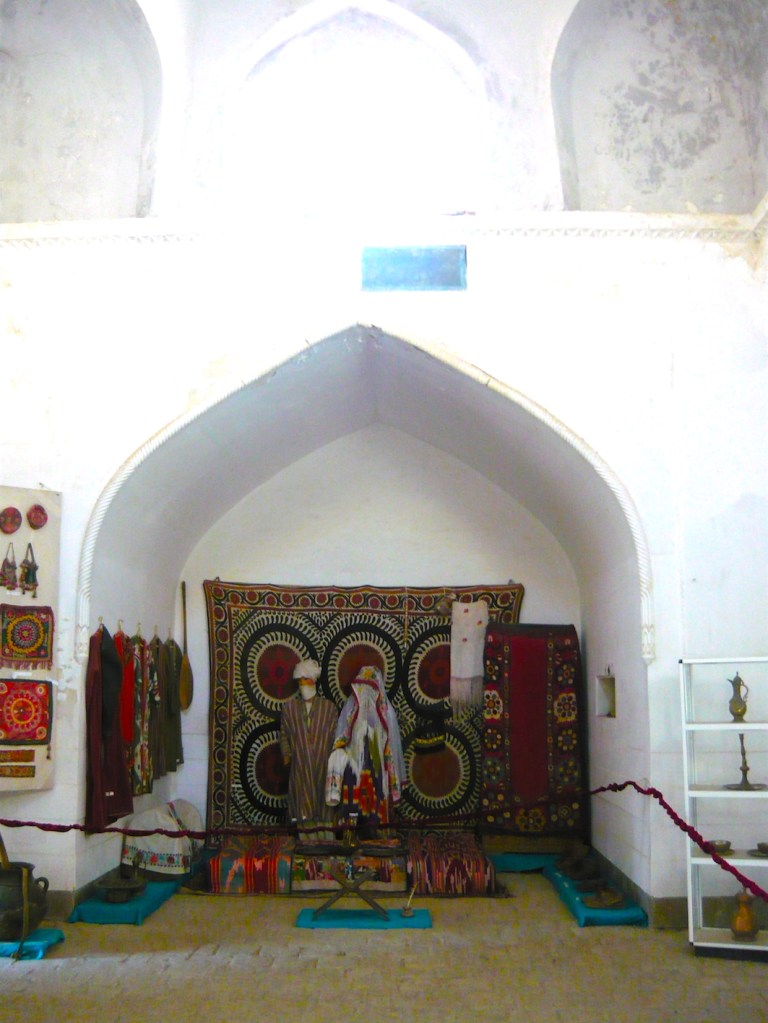
A bearded old man with a single tooth in his lower gum sends me up to the rampart to see something — I can’t understand what, so I just gaze out over the valley to the mountains beyond.
Invited for plov
The driver of the taxi back to Hissar introduces himself as Ibragim. He points out the cotton fields on either side of the road, and stops to pick a white fluffy boll for me to take home.
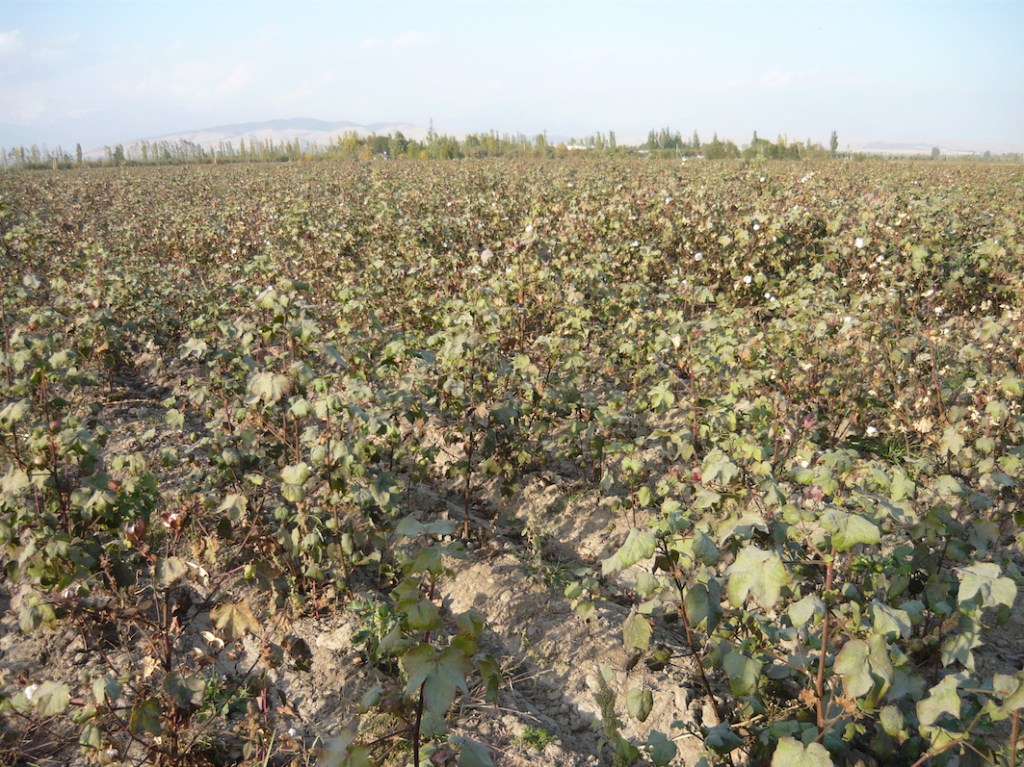
Ibragim explains that he used to work with the brigades in the cotton fields, but the pay is vey low so now he drives this little Daewoo taxi. He had six children to support, three girls and three boys, who are now grown up.
The eldest boy is one of the hundreds of thousands of Tajiks who have moved abroad to earn money. He’s now working in Yaroslavl, Russia, and has a family there.
When we arrive at the bus station he refuses to accept my somoni in payment. “You are a guest! If you come back to Hissar, I’ll invite you and my wife will make plov,” he says.
I promise to look him up if I come back (which I happily would).
As I make my way to where the buses back to Dushanbe are waiting I hear him telling another taxi driver: “She’s an Englishwoman.”
 Steppe in Style
Leave a comment