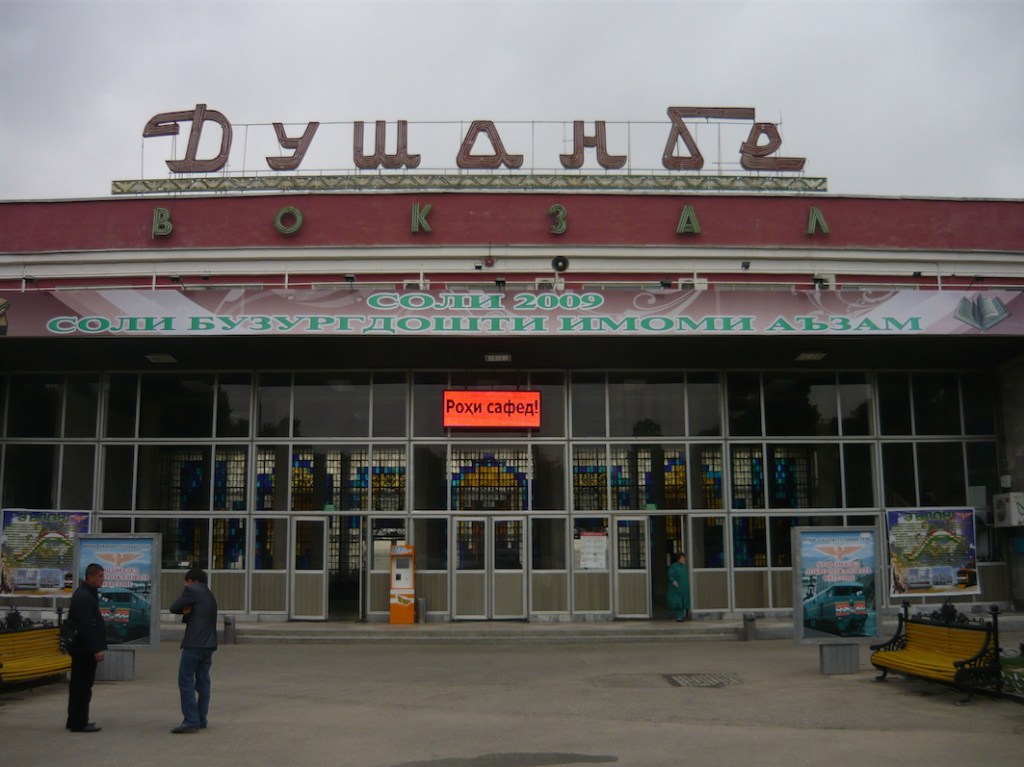
After days on the road, it’s time to relax and explore Tajikistan’s capital Dushanbe.
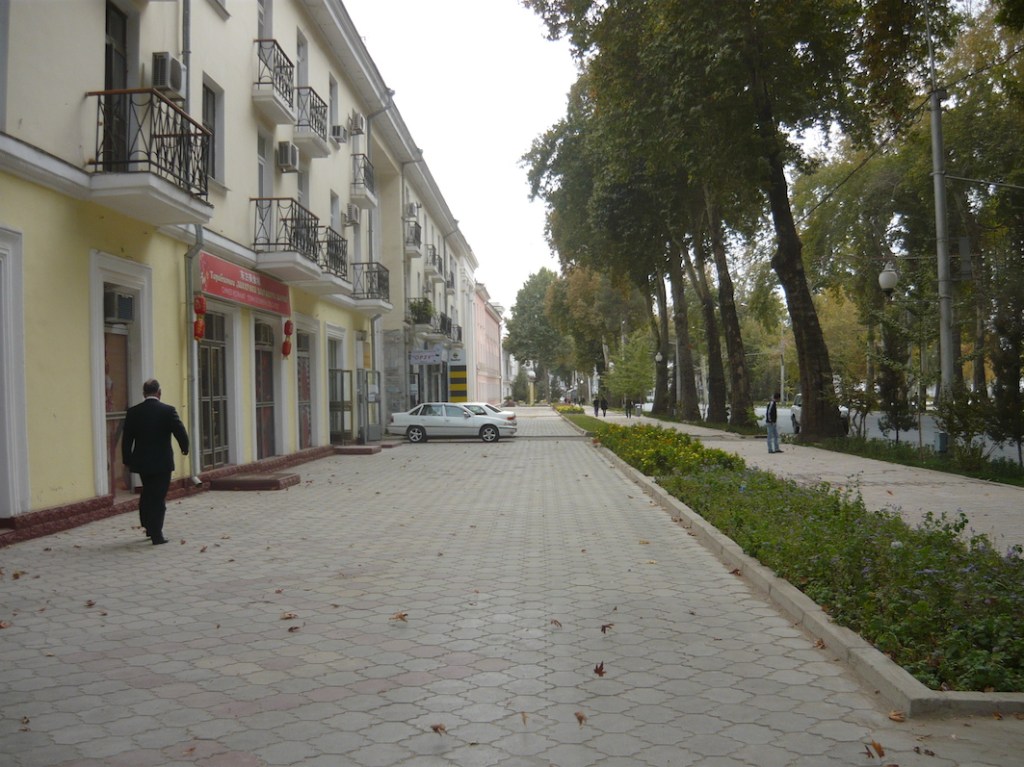
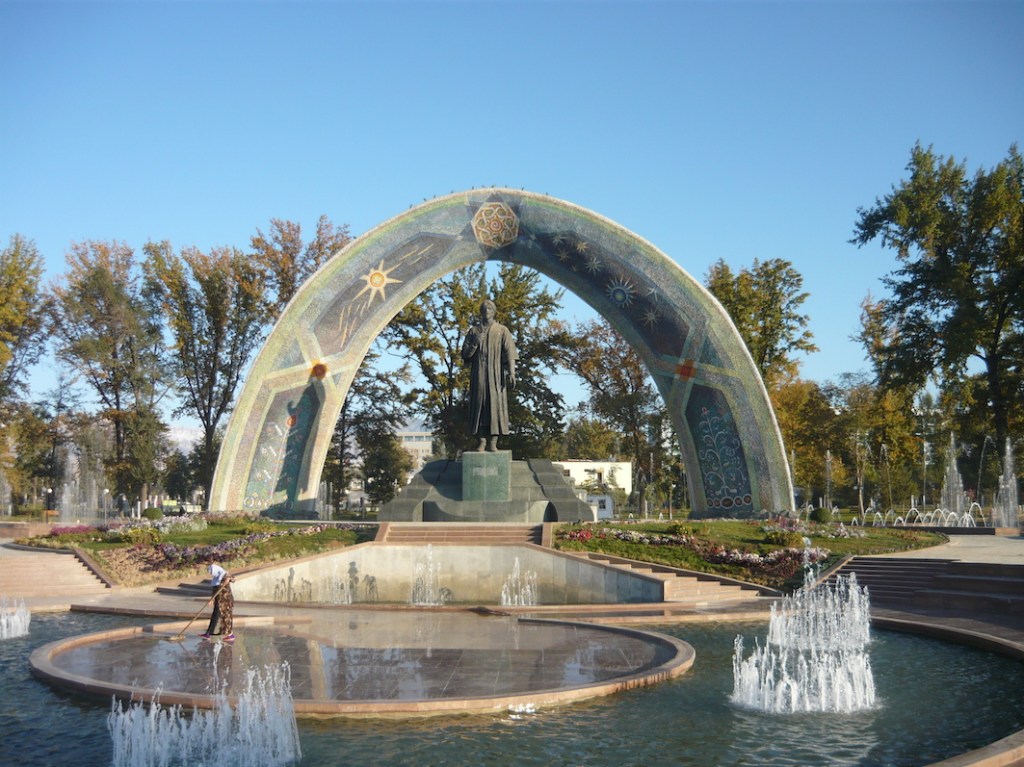
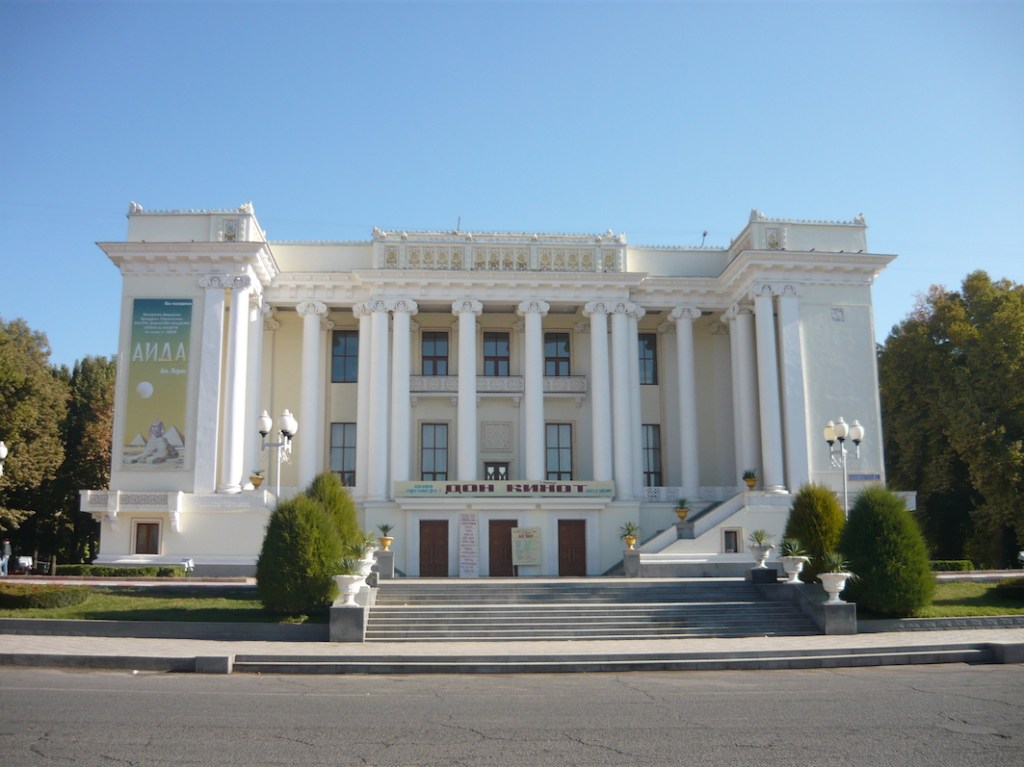
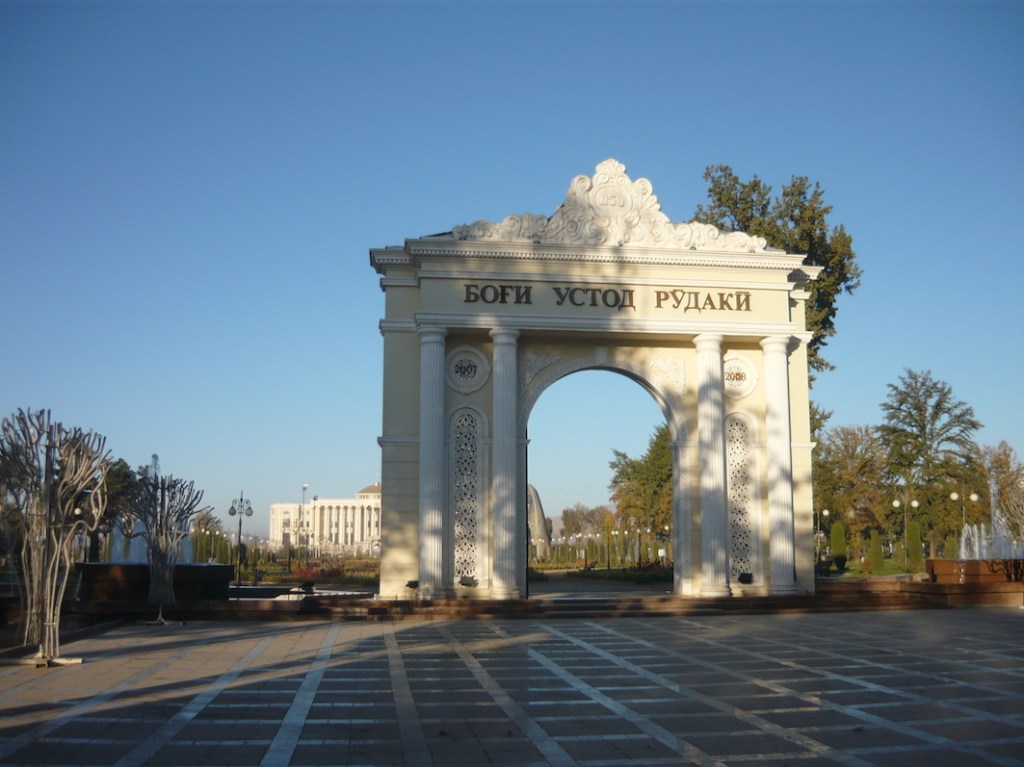
I’ms saying right on central Rudaki Avenue, close to the Opera and Ballet Theatre. It was too dark to see much when we arrived late last night, but in the morning I stroll along Rudaki Avenue, taking in the white and yellow painted buildings, the tall leafy trees (autumn hasn’t arrived here yet) and flowerbeds bursting with colour.
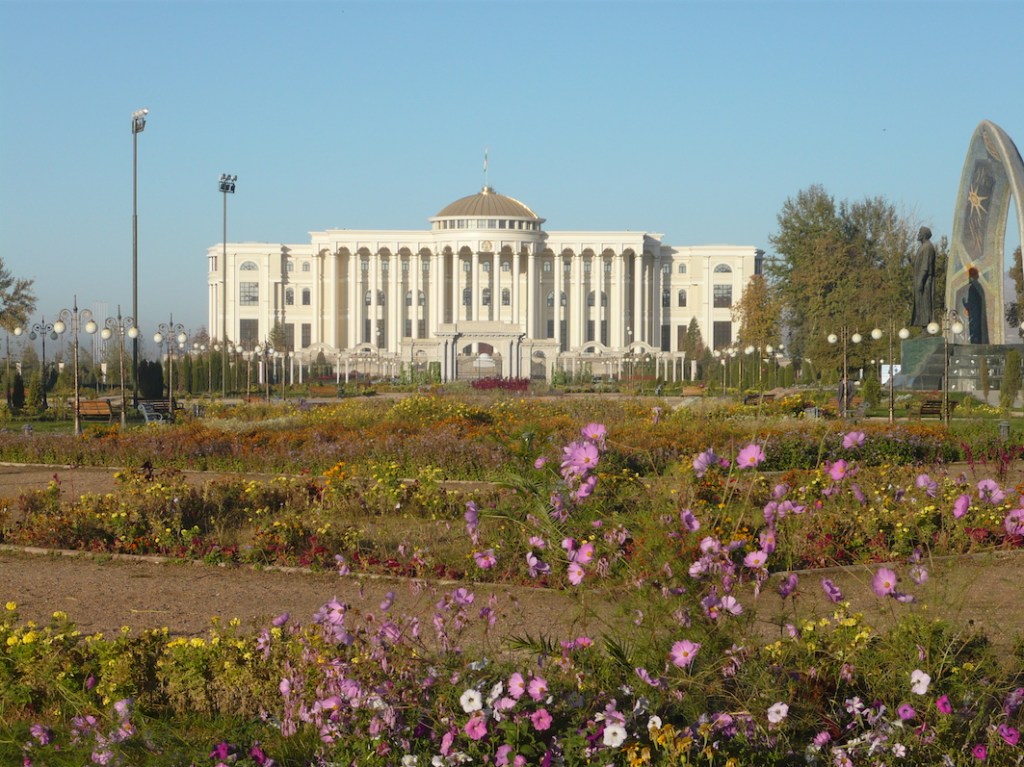
After the rugged mountains and remote high valleys of the last few days, it’s strange to be back in such a European looking city.
But first, coffee
I have several errands to run, the first being: find coffee.
Not far from the hotel I’m delighted to see a Segafredo cafe, pat of an Italian franchise that I recognise because I’ve visited the one in Almaty several times.
The young man on the door greets me with words I fail to process.
“Sorry, I don’t speak Tajik,” I tell him.
He looks surprised and I realise he’d recognised me as foreign and was speaking in English — a language I haven’t heard or spoken since I left Almaty five days ago.
But there’s no trouble ordering a cappuccino, which I sip while making a plan for the day.
A beautiful sim card
Next stop checking emails at the nearby internet cafe and buying a Tajik sim card so I can get back in touch with friends in Almaty and my family back home.
At the phone shop, I get chatting to Mehrzad, who has an aluminium shop outside Dushanbe.
“Business is good,” he tells me, then weighs in on the discussion of what sim card I should get.
“Beeline is very good. A beautiful sim card for a beautiful girl.”
Beautiful sim card inserted and a few text messages sent, I walk south to where the railway station and bazaar are. It’s busier here with shoppers and traders milling about — though central Dushanbe is much calmer and there are far fewer cars than downtown Almaty.
Some less successful errands
I don’t have a set itinerary for the rest of my holiday, was hoping to find out about trains to some of the southern towns, perhaps Kulob.
However, I completely fail to find out anything about trains, except that there’s one to Moscow leaving later. (Not quite what I had in mind — but useful for the hundreds of thousands of Tajiks move north from the former Soviet Union’s poorest country to work in Russia.)
Last on the list of errands is a manicure, which I make the mistake of getting at a run down salon near the station. The beautician, a young woman in a long, shapeless dress, harbours a burning passion for the singer Enrique Iglesias. She gets so carried away telling me about it that I come out with uneven nails and patchily applied varnish.
After several days eating mainly bread, I’m delighted to discover and Indian restaurant, where I stuff myself with spicy food and get into conversation with Miles, an Irish petroleum engineer.
Dushanbe’s history
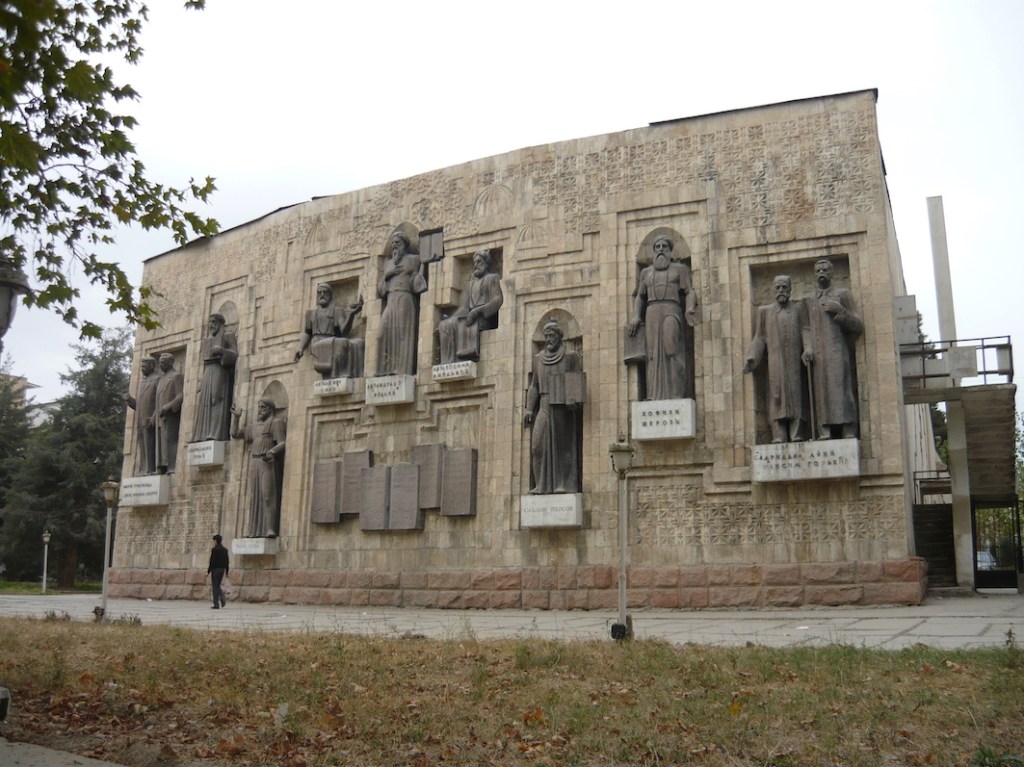
After lunch, at the Museum of National Antiquities, I examine the stuffed animals and Iron Age artefacts, moving slowly through history to the Soviet era and the Second World War.
The Dushanbe area has been settled for centuries, and it was a market town in the middle ages, but overshadowed by more important settlements like Hisor and Hulbuk. However, it was made the capital of the Tajik SSR in 2024.
There’s a big portrait of President Emomali Rakhmonov in front of a waterfall and some mountains, as well as the president with the former American president George Bush, lots with other Central Asian leaders, pictures with Russia’s current President Vladimir Putin and former president Boris Yeltsin, pictures with Chinese and Iranian leaders.
Separate rooms deal with aluminium and with cotton, displaying two of Tajikistan’s most lucrative products.
Back at the hotel, I wash out my underwear and t-shirts and drape them on the radiator before preparing to head out again. Miles told me that many of Dushanbe’s small expat community gather in Segafredo in the evenings. It seems like a plan.
 Steppe in Style
Leave a comment