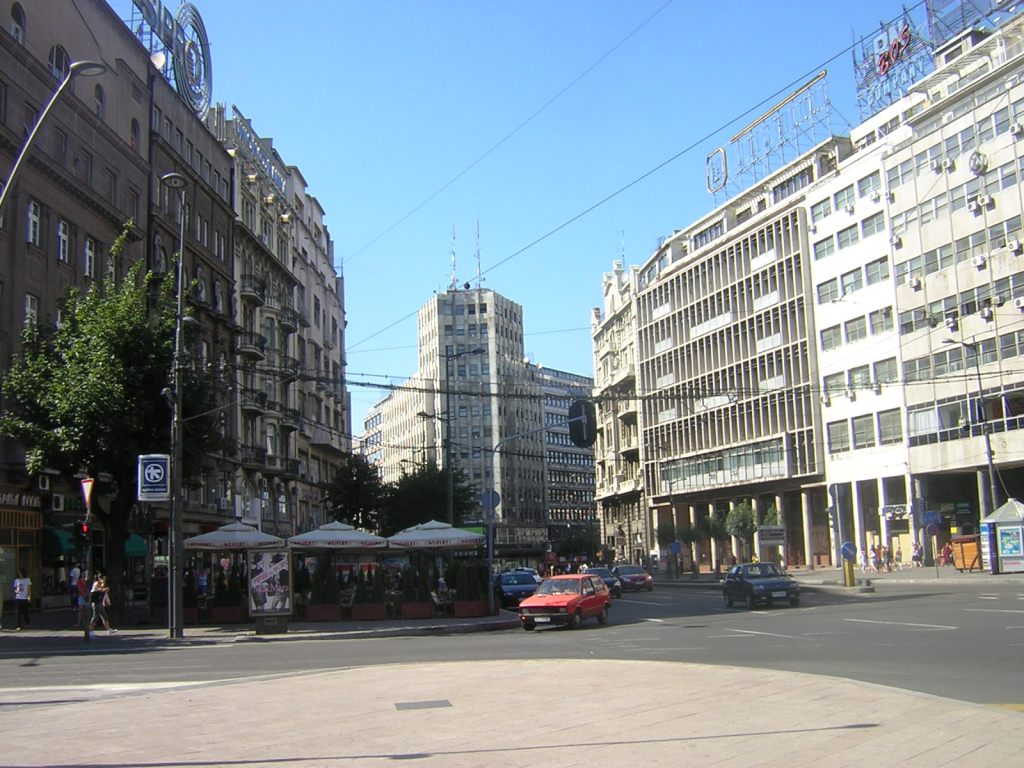
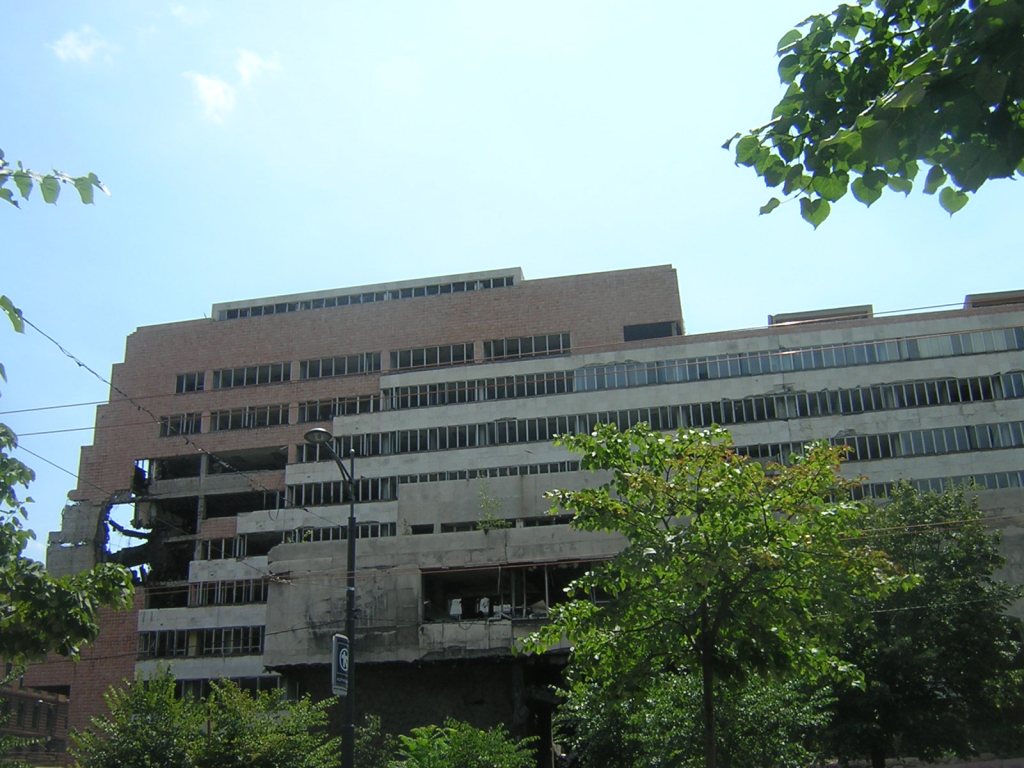
It was just over eight years since the Nato bombings that we arrived in Belgrade. Sleepy and crumpled after our second overnight train journey, we still couldn’t help notice the two damaged buildings on the main road near the train station, one with its high brick front still standing, the other burnt and twisted seemingly beyond repair.
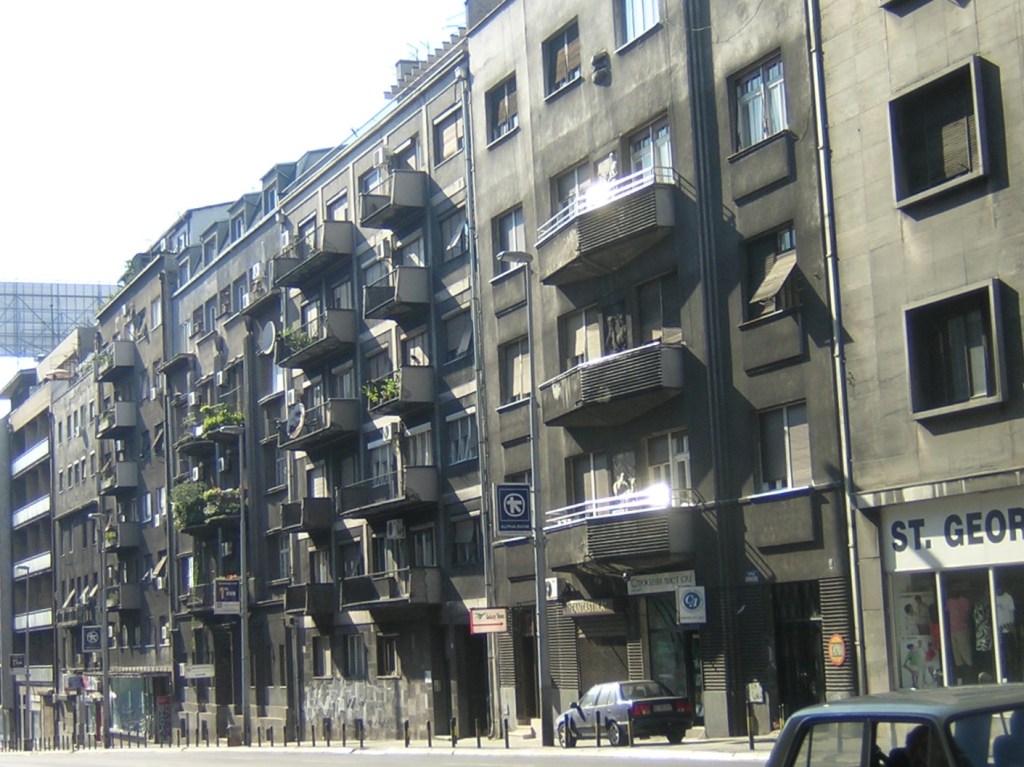
Over the next few days we explored Belgrade, walking under blazing sun among tall grey buildings — from the oldest, blackened with age, with crumbling balconies apparently just held in place by wrought iron railings, to the newly built.
We saw more war damage on our way to the Museum of Yugoslav History. Failing to find a bus, we had a long walk, much of it over a huge system of over and under passes, where cars shot by the blackened and half destroyed building next to them. In the years since the bombings, small trees had taken root inside and we could see other plants growing haphazardly on the roof and through the empty windows. Peering through we also saw a shape that might have been a long abandoned filing cabinet.
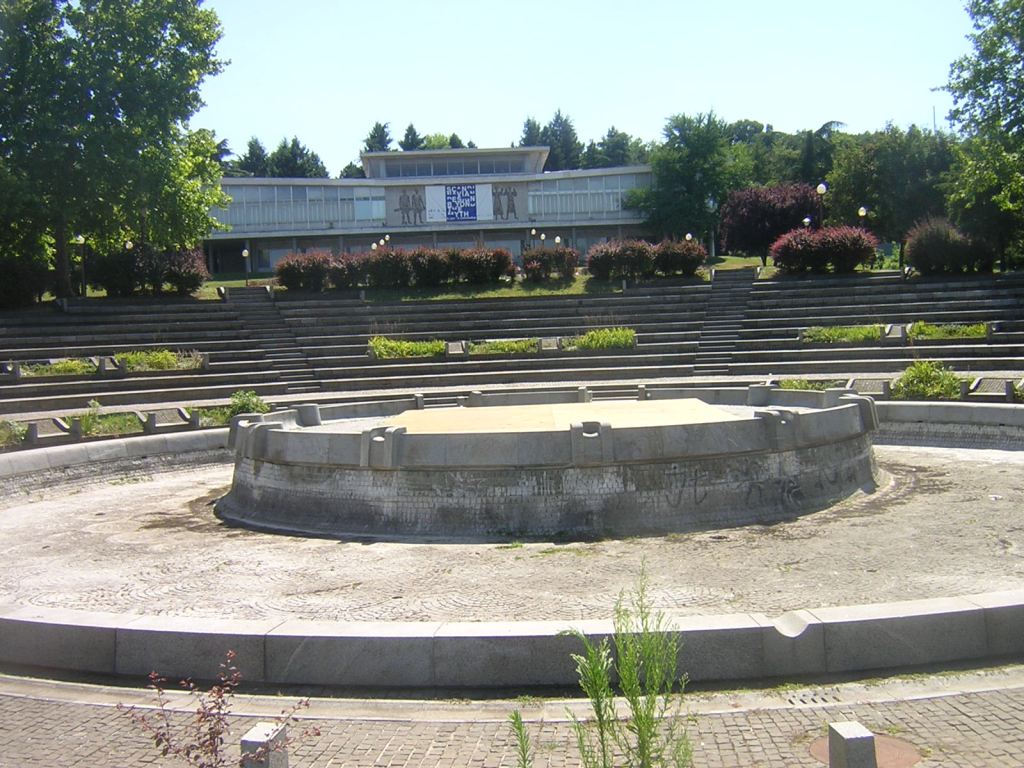
The Museum of Yugoslav History is the final resting place of the Yugoslav leader Tito. Visitors file past his white marble tomb housed in a bright, airy hall. To the right is a large desk with a portrait of Tito above it; to the left, exhibition of batons and photos from ceremonial relay races. Outside, old people are resting on benches in the shade.
There’s also a very large museum full of gifts given to Tito over the years, with the givers including the Shah of Iran (in 1972), Gadhaffi (in 1977), Hafiz A-Asad (1979) and other leaders. The gifts were a colourful collection of ceremonial batons, sabres, pistols and national costumes.
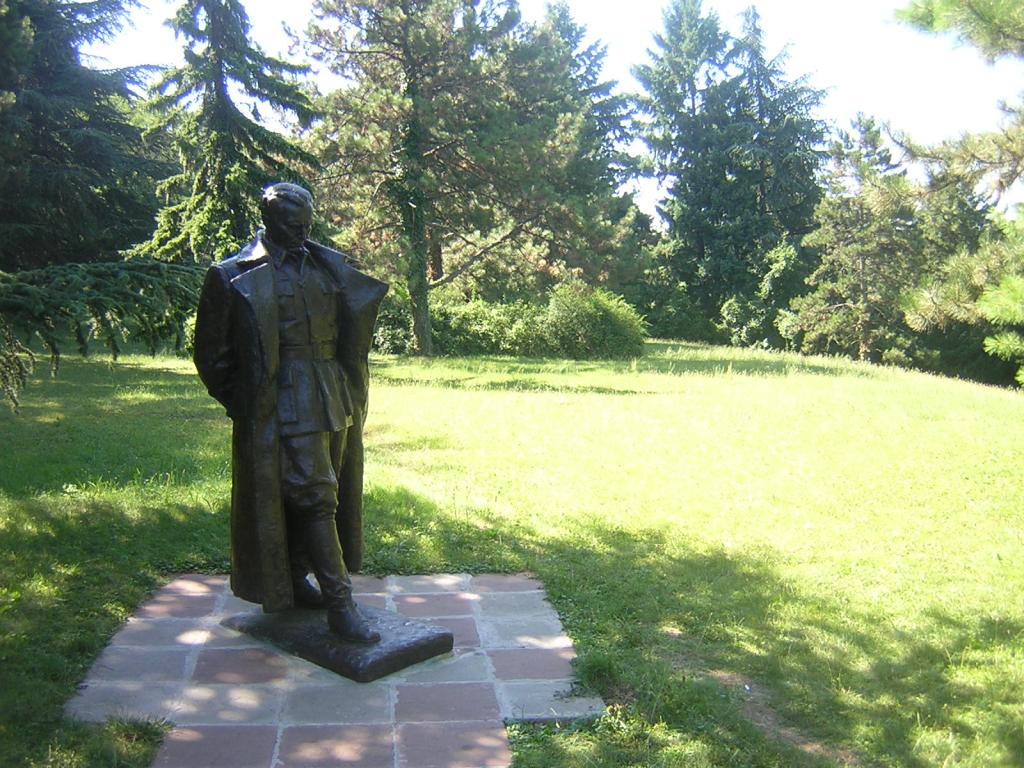
Another day, we visited the rather disturbing Belgrade Military Museum in the Kalemegdan Fortress. The rows of tanks and other military equipment outside contrasted with the calm beauty of the citadel with the view of green trees and rivers.
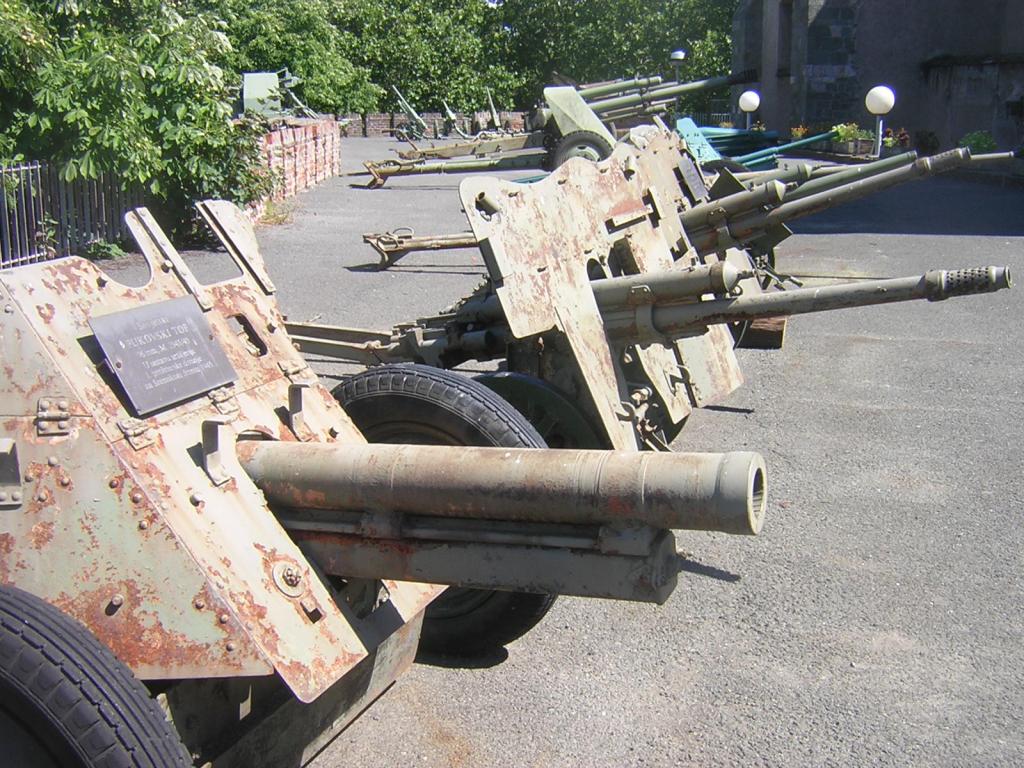
Inside we found displays labelled “equipment of captured US soldiers”, “part of the fuselage of stealth bomber”, and a US camouflage jacket.
Dating from the wars of the 1990s were “equipment from illegal Croatian armed formations” and pistols and other guns labelled from Slovenia, Hungary, Spain and other countries.
Other exhibits were a “paw of bear” — a torture device shaped like a glove with three two-inch long silver claws. A long flat knife was labelled “equipment from the terrorist Kosovo Liberation Army” and had traces of dried blood congealed on the blade. Nearby was “wire to strangle (coil of)”.
Presiding over all of this was a kindly middle aged woman who spoke good English and sold us our tickets with a welcoming smile.
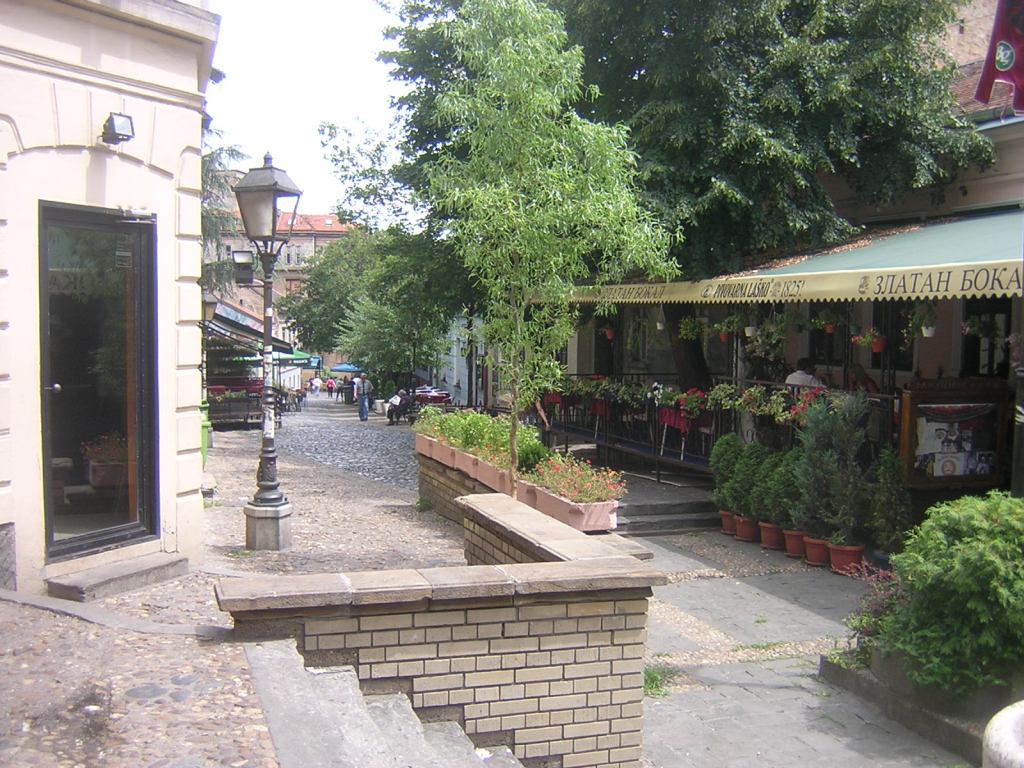
It wasn’t all death and gloom though. We sat outside in cafes in the Skadarlija district, watching glamorous young couples pick their way across the cobbled Skadarska Street. We picked pancakes from a menu that offered them with Nutella, “plazma” or “meek” (we went for Nutella).
I insisted on a visit to Strahinjia Bana street, dubbed Belgrade’s ‘Silicon Valley’ — not because of tech innovation but because of its reputation as a venue for surgically enhanced ladies. I enjoyed it, even though all the other women there were better dressed than me, had better phones and their makeup hadn’t sweated off in the heat.
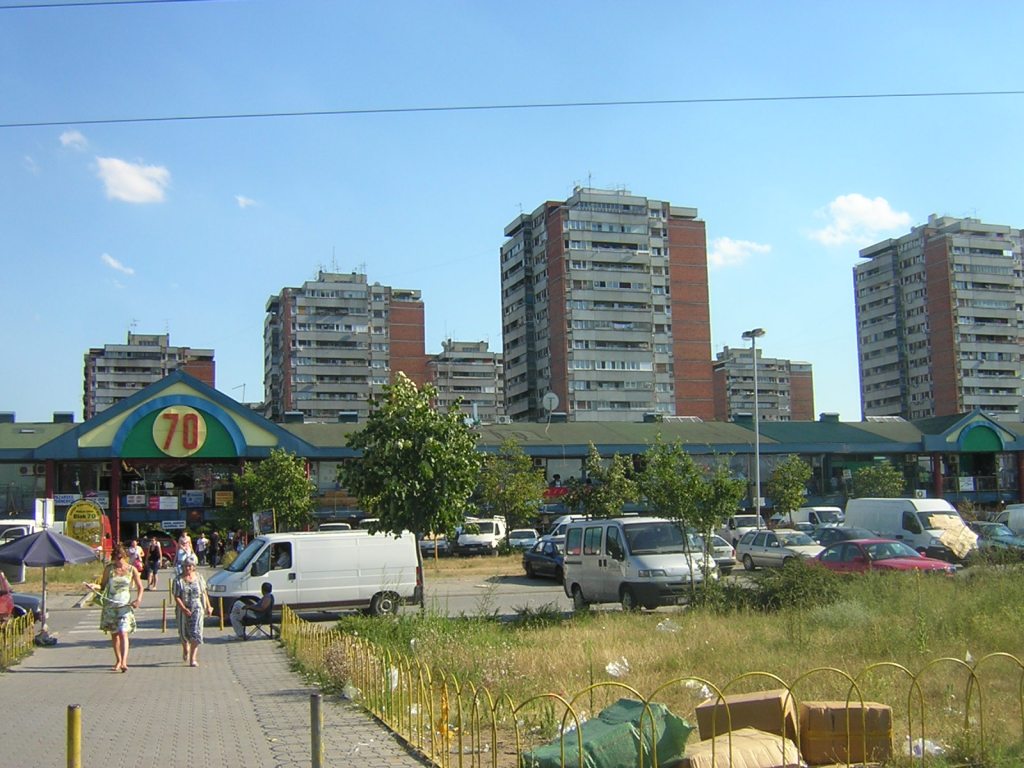
Another afternoon we took the bus to New Belgrade. Amor the new office buildings and apartment blocks we were startled to come across a Chinese market, labelled “Bloc 70”. Inside it was messy and lively with people smoking and shouting over the crowded stalls. I bought a brown and gold handbag, but was dismayed to see on the way back on the bus that what I’d though was a random pattern was actually the letters “SS”.
That evening it was time to leave on the overnight train to Zagreb. We got to Belgrade staton at dusk, as the pale sky was gradually darkening with the blue to yellow to pink turning to blackness. Against it the buildings stood out as clear and crisp and sharp as on a winter afternoon.
Tour of the Balkans
Belgrade was the third stop in our five-country tour of the Balkans. Read about the rest of the trip here:
Late 20s angst and a tour of the Balkans
Bucharest changed almost beyond recognition in nine years
 Steppe in Style
Leave a comment